
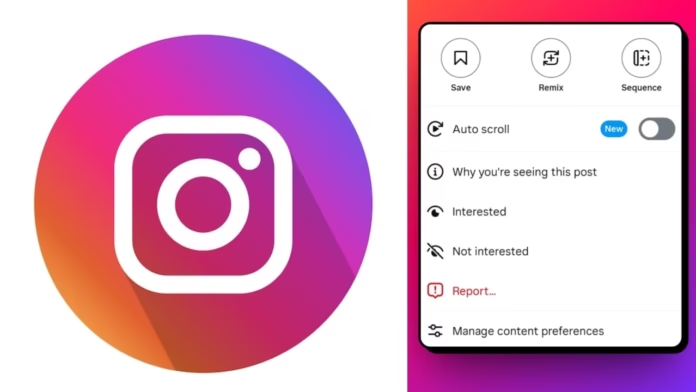
When users first noticed Instagram content moving forward without manually swiping, the response was a mix of curiosity and confusion. This behavior was not a bug; it was an intentional design choice. The auto-scroll update quietly changes the way people view posts, reels, and recommended content, making Instagram feel more like a continuous streaming experience than a traditional social media feed.
What the Instagram Auto Scroll Update Really Is
The Instagram auto-scroll update adds automatic content progression, letting posts or reels move forward without users needing to swipe manually. Instead of constantly scrolling, users can watch content in a smoother, uninterrupted flow. This update shows Instagram’s push to reduce friction, make navigation easier, and keep users engaged for longer viewing sessions.
Why Instagram Introduced Auto Scrolling Now
Timing is a key part of this update. As short-form video platforms continue competing for user attention, Instagram is adapting to how people now consume content. Auto-scroll fits the binge-watching style, where users prefer a smooth, uninterrupted viewing experience. It also supports Instagram’s larger goal of increasing session time, which can lead to more ad impressions and higher platform revenue.
How Auto Scroll Changes User Behavior
Auto-scrolling changes how users mentally interact with content. Instead of actively deciding to move to the next post, users fall into a more passive viewing mode where new content appears automatically. This can lead to longer sessions and introduce users to a broader range of creators. For casual viewers, it makes browsing easier, while for creators, it improves the chances of their content being seen past the opening frame.
Impact on Reels, Feed, and Suggested Content
The update works differently depending on the type of content. In Reels, auto-scroll feels natural because it closely matches the experience of video streaming platforms. In the main feed, it creates a slower and more controlled flow, smoothly mixing regular posts with suggested content. This gives algorithm-based recommendations more visibility and quietly changes what users see without making the interface feel noticeably different.
Advantages for Content Creators and Brands
For creators and advertisers, auto-scroll opens up new opportunities. Content that grabs attention in the first few seconds can get more visibility without relying on users to swipe or tap. Brands can also benefit from longer watch time, especially on video ads and sponsored posts. This makes the update valuable for competitive advertising areas such as apps, finance tools, and digital services.
User Control, Settings, and Customization
Instagram has taken a careful approach by testing auto-scroll as an optional or limited rollout feature. Depending on the device and region, some users can turn it on or off. This flexibility helps reduce negative reactions and gives people time to adjust. It also ensures that users who prefer manual scrolling are not forced into a fully automated browsing experience.
Accessibility and Ease of Use Improvements
Auto-scroll can also make Instagram more accessible for users with limited mobility or repetitive strain problems. By reducing the need for constant swiping, the platform becomes easier and more comfortable to use during longer sessions. This change supports inclusive design by helping different types of users enjoy content without needing to rely on complicated accessibility settings.
Battery Usage and Performance Considerations
One concern with auto-scroll is how it may affect battery life and device performance. Instagram seems to have optimized the feature to keep playback smooth while managing power use efficiently. By controlling scroll speed and how content loads, the app reduces unnecessary background activity, helping prevent major battery drain on modern smartphones.
Privacy, Data Signals, and Algorithm Learning
Auto-scroll creates new engagement signals for Instagram’s algorithm. Viewing time, pauses, skips, and exits become more important because they show how users respond without needing likes or comments. These passive signals help Instagram improve content recommendations. While the feature may not require new types of personal data, it changes how user behavior is interpreted, which can affect future feed personalization and ad targeting.
What This Update Means for the Future of Instagram
The auto scroll update signals a broader transformation in Instagram’s identity. The platform is moving away from static interaction toward continuous media consumption. This shift positions Instagram closer to entertainment-first platforms while maintaining its social core. Future updates may expand automation, blending content discovery, advertising, and user comfort into a unified experience.
A Subtle Change With Long-Term Effects
Although auto-scroll may look like a small feature, its long-term effect could be much bigger. By changing how users move through content, Instagram also changes attention patterns and creator strategies. Over time, this quiet update may reshape what successful content looks like, placing more value on storytelling, retention, and smooth viewing instead of relying only on traditional engagement metrics.


